Conference Speaker
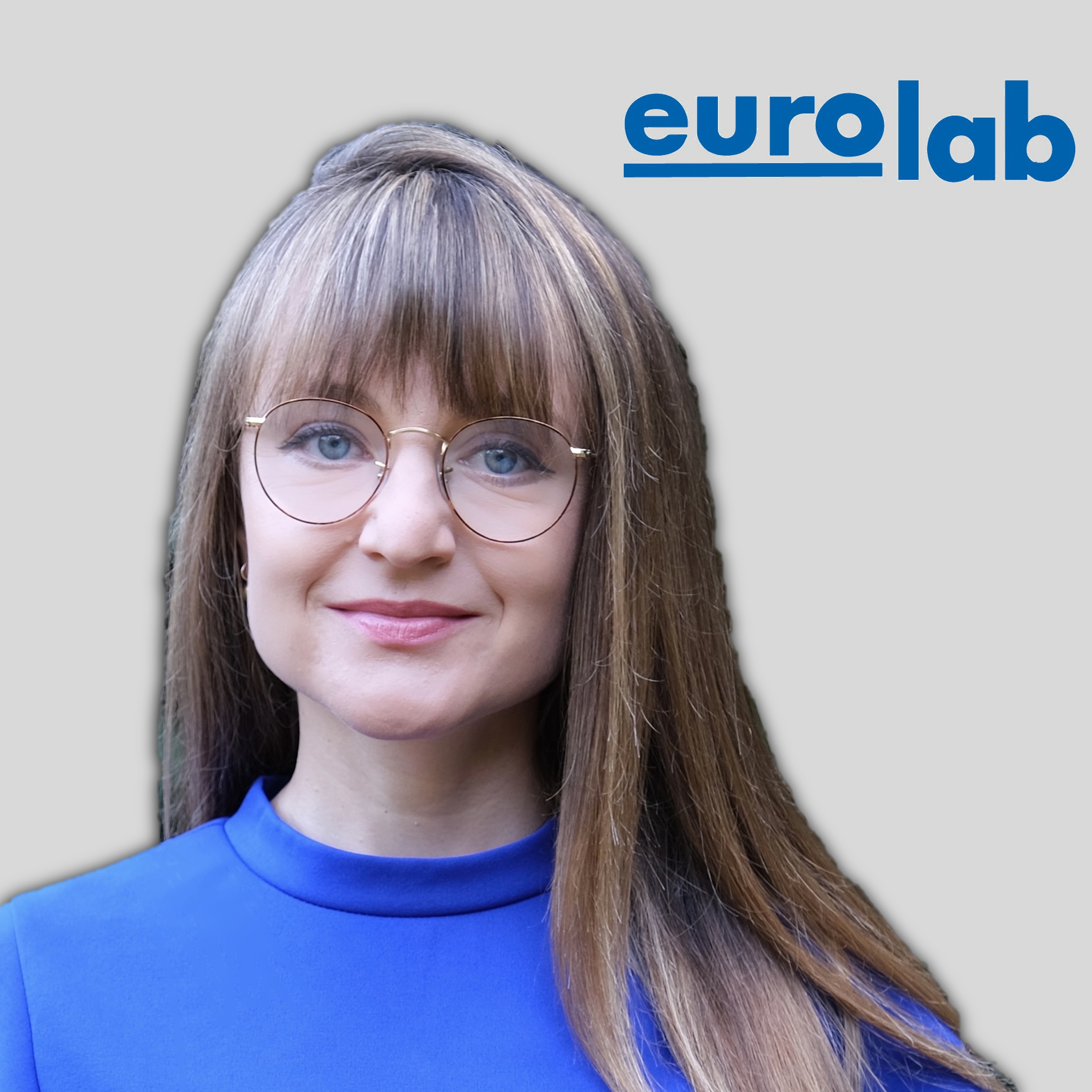
EUROLAB – a strategic approach for the lab of tomorrow
Ms. LAURA MARTIN
Secretary General, EUROLAB
Background
Laura Martin has been elected as EUROLAB Secretary General during the EUROLAB General Assembly 2022. Previously to this position, she has undergone various responsibilities, taking the first role in EUROLAB back in September 2013. Before, she has worked for DG CONNECT at the European Commission, as well as for other international organizations based in Brussels, taking on various roles such as Communications Manag-er and International Affairs Manager. She holds a diploma in Journalism, a master’s degree in Communications Studies, and a bachelor’s in Mod-ern Languages and Translation.
ABSTRACT OF PLENARY LECTURE
The presentation will focus on key EUROLAB identified pillars in supporting the laboratories in building smart and sustainable strategies. Various insights will be provided on challenges and opportunities faced by the sector given current digital trends and regulatory developments. It will provide insights on the specific activities, including key technical outputs and actions in supporting best practices and capacity building, to enable laboratories in their digital transitions. The presentation will also include the EUROLAB projects around the key topics: sustainability and digitalization, European Quality Infrastructure as well as roadmaps of the EUROLAB Technical Working Groups and the added value brought to the laboratory community.
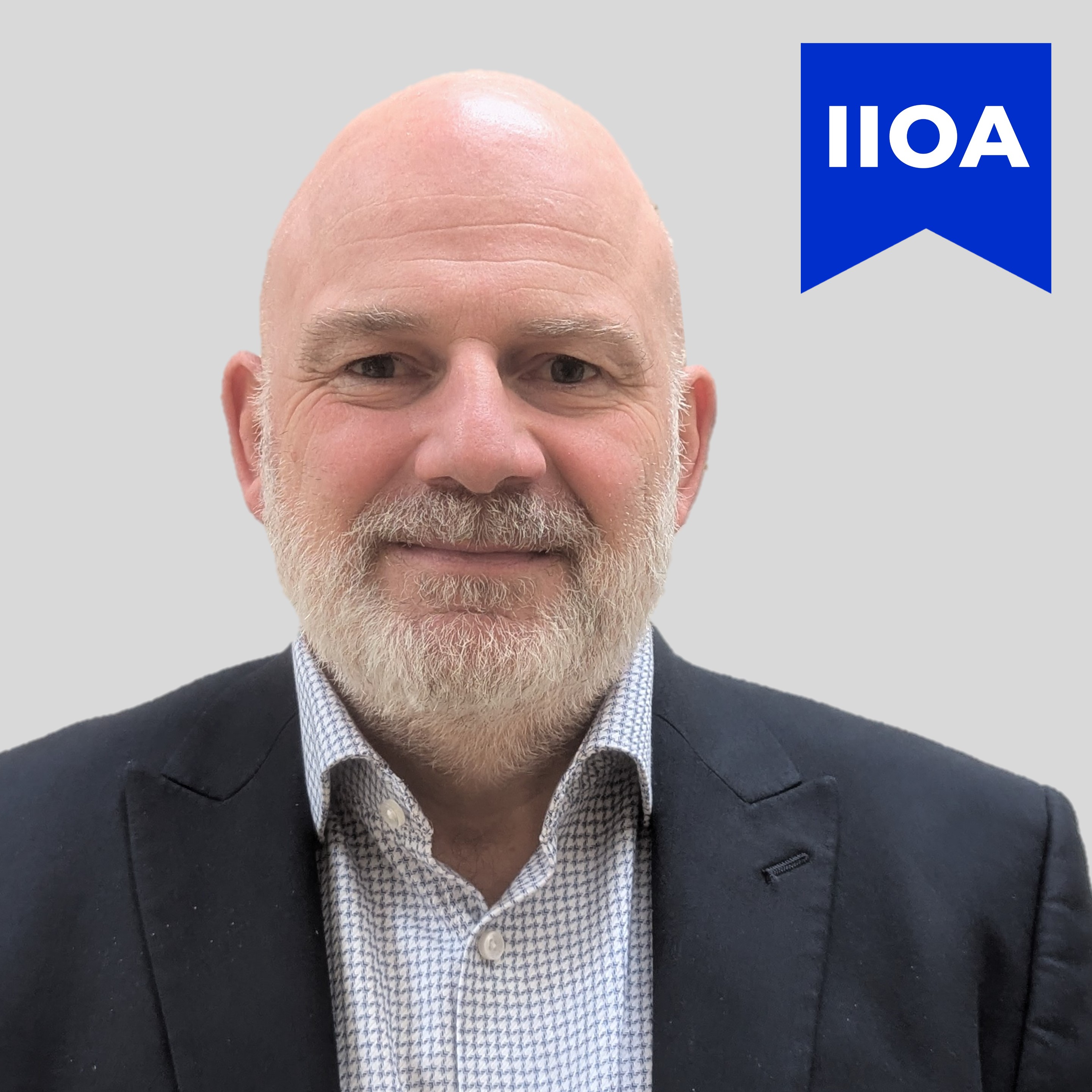
Global ACI - The Heart of a Changing Assurance World
Mr. MARCUS LONG
Chief Executive, IIOA; Chairperson, Stakeholder Committee, Global Accreditation Cooperation Incorporated (Global ACI)
Background
Marcus was appointed IIOA Chief Executive in 2011. Prior to joining IIOA Marcus was Head of External Affairs at BSI, building relationships with key international and national organizations. Before BSI, Marcus was Head of Customer Service for Network Rail, owner and operator of the UK rail infrastructure. Marcus has also worked in the telecoms, retail and automotive sectors for BT, Marks & Spencer, Next and Land Rover in customer service and procurement roles. Marcus is also a member of the Global ACI Executive Committee as the Chair of the Stakeholder Committee. Marcus has an MBA and a BSc in Economics.
ABSTRACT OF PLENARY LECTURE
Society, business and governments are seeing an unprecedented amount and pace of change, the volume and speed of which will only accelerate further. The accredited conformity assessment community needs to ensure it continues to not simply be relevant, but needs to ensure that it is at the forefront of change to support global trade, economic development, safety, sustainability, etc. On 01 January 2026 Global ACI, the merger of IAF and ILAC created the new global accreditation organization. This is a significant moment and Global ACI will provide a central pillar to the future of accredited conformity assessment. What does Global ACI and all the members of the quality infrastructure prioritize? What actions do we need to take to effectively benefit society, business and governments. Vital issues at a critical time.
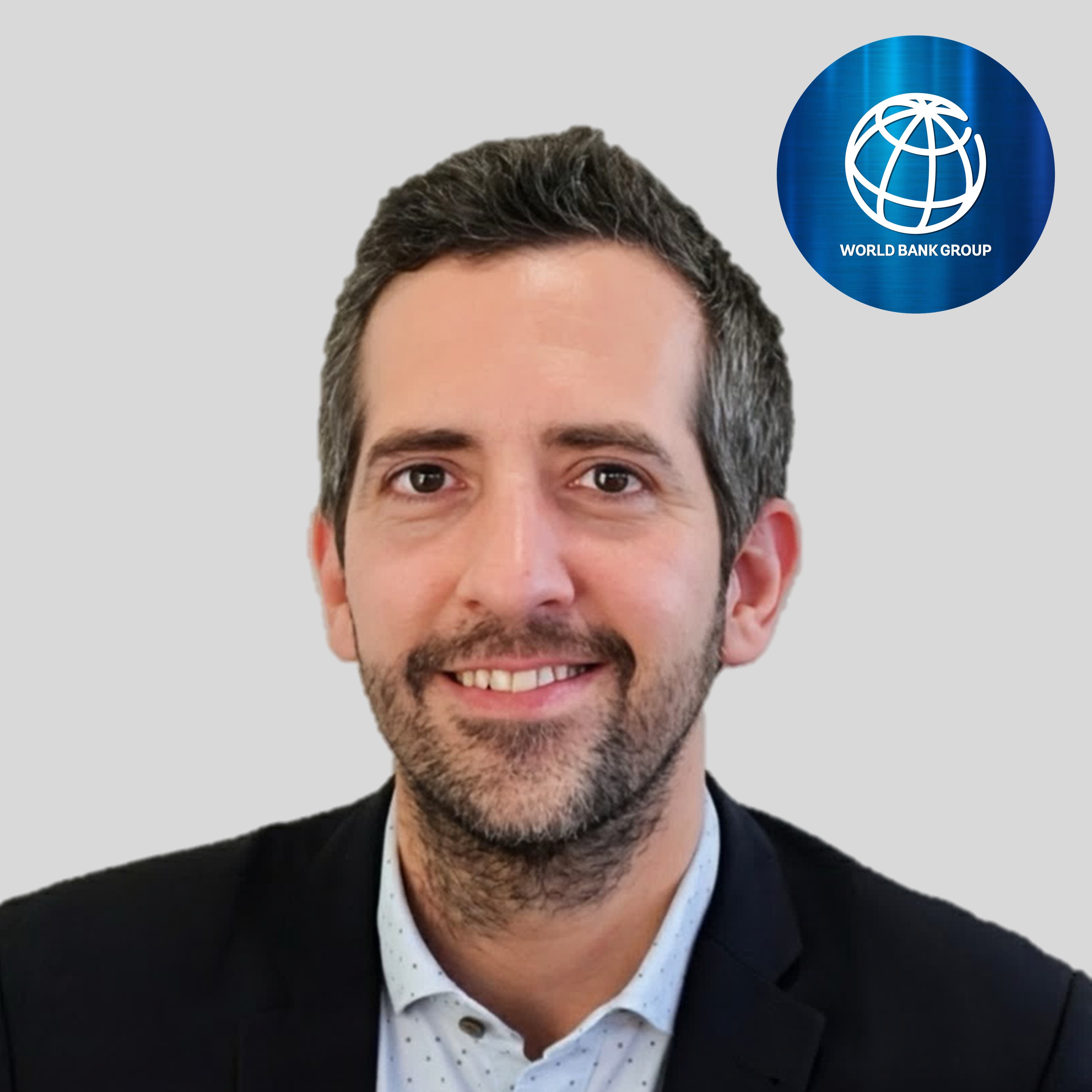
Boosting National Quality Infrastructure: Insights from the World Development Report 2025
Mr. PHILIP GRINSTED
Private Sector Specialistand Co-Author of the World Development Report 2025, World Bank
Background
Philip Grinsted is a Private Sector Specialist in the Trade, Business and Competition team at the World Bank. He focuses on the intersection of private sector development and sustainability, with expertise in green competitiveness, firm-level technology adoption, and sustainable value chains. Philip also specializes in national quality infrastructure, advising clients on standardization and quality assurance—such as testing and certification—to strengthen market access and regulatory effectiveness. Additionally, he has experience in improving policy environments for digital businesses. Before joining the World Bank, Philip worked at the German Agency for International Cooperation (GIZ), primarily in India and China, advising the German Federal Ministry for Economic Affairs on fostering trade with emerging markets through national quality infrastructure. He holds a dual Master of Public Policy (MPP) and Master of Public Administration (MPA) from the London School of Economics and Political Science (LSE) and the Hertie School in Berlin.
ABSTRACT OF PLENARY LECTURE
Standards are the hidden infrastructure of modern economies—and they have never been more important. Developing countries today must contend with a thicket of increasingly stringent international standards, a product of globalization and rapid technological change. Using standards—and shaping them—is now a prerequisite for export growth, technology diffusion, and the efficient delivery of public services. Yet standards are too often overlooked by policy makers, especially in developing countries. World Development Report 2025 provides the most comprehensive assessment of the global landscape of standards today and how they can be used to accelerate economic development. It offers a practical framework for countries at all stages of development. Countries at the earliest stage should adapt international standards to suit local conditions when needed, whereas at more advanced stages, they should aim to align domestic markets with international standards. Meanwhile, all countries should author international standards in priority areas.
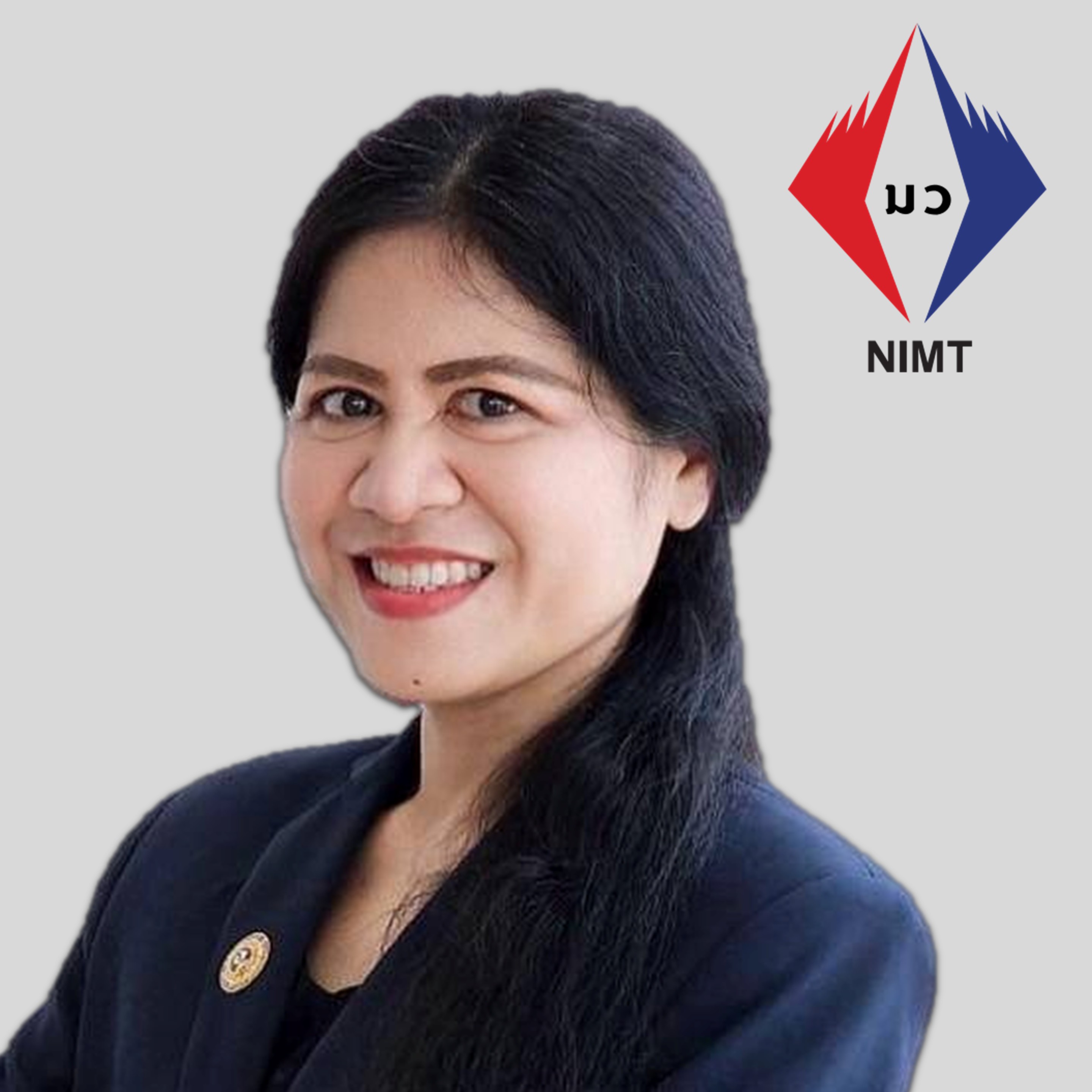
Quality and Trust Through Metrology: Advancing Natural Products in Healthcare and Industrial Sectors in Thailand
SORNKRIT MARBUMRUNG, PhD
Chemical Metrologist and Senior Professional, National Institute of Metrology (Thailand) (NIMT)
Background
Dr. Sornkrit Marbumrung is a Chemical Metrologist and Senior Professional at the National Institute of Metrology (Thailand). She earned a B.Sc. in Chemistry in 2004, followed by an M.Sc. and a Ph.D. in Inorganic Chemistry in 2007 and 2012, respectively. Her research focused on developing a metrological approach for purity assessment of high-purity organic compounds and standard solution. Since joining the institute in October 2012, she has been responsible for assessing the purity of organic compounds using various analytical techniques, participating in international laboratory comparisons, and producing certified reference materials (CRMs).
ABSTRACT OF PLENARY LECTURE
Metrology, the science of measurement, is fundamental to ensuring the quality, safety, and trust in natural products, which is essential for their integration into healthcare and industrial sectors. In Thailand, where natural products play a vital role in both domains, robust metrological systems provide the foundation for standardization, certification, and international recognition. The National Institute of Metrology (Thailand) (NIMT) strengthens the country’s National Quality Infrastructure for herbal products by providing crucial metrological support. NIMT has successfully developed various high-purity certified reference materials (CRMs) and, recognizing the importance of regulatory adherence, has also created matrix-matched CRMs. These resources facilitate the validation of analytical methods and ensure measurement accuracy. Through these efforts, Thailand enhances consumer confidence, promotes innovation, and supports sustainable growth in healthcare and industrial sectors. The integration of among government agencies, research institutions, and industry stakeholders further advances metrology-driven practices. Ultimately, precise measurement systems not only safeguard public health but also position Thailand as a leader in the sustainable development and commercialization of natural products across diverse sectors.
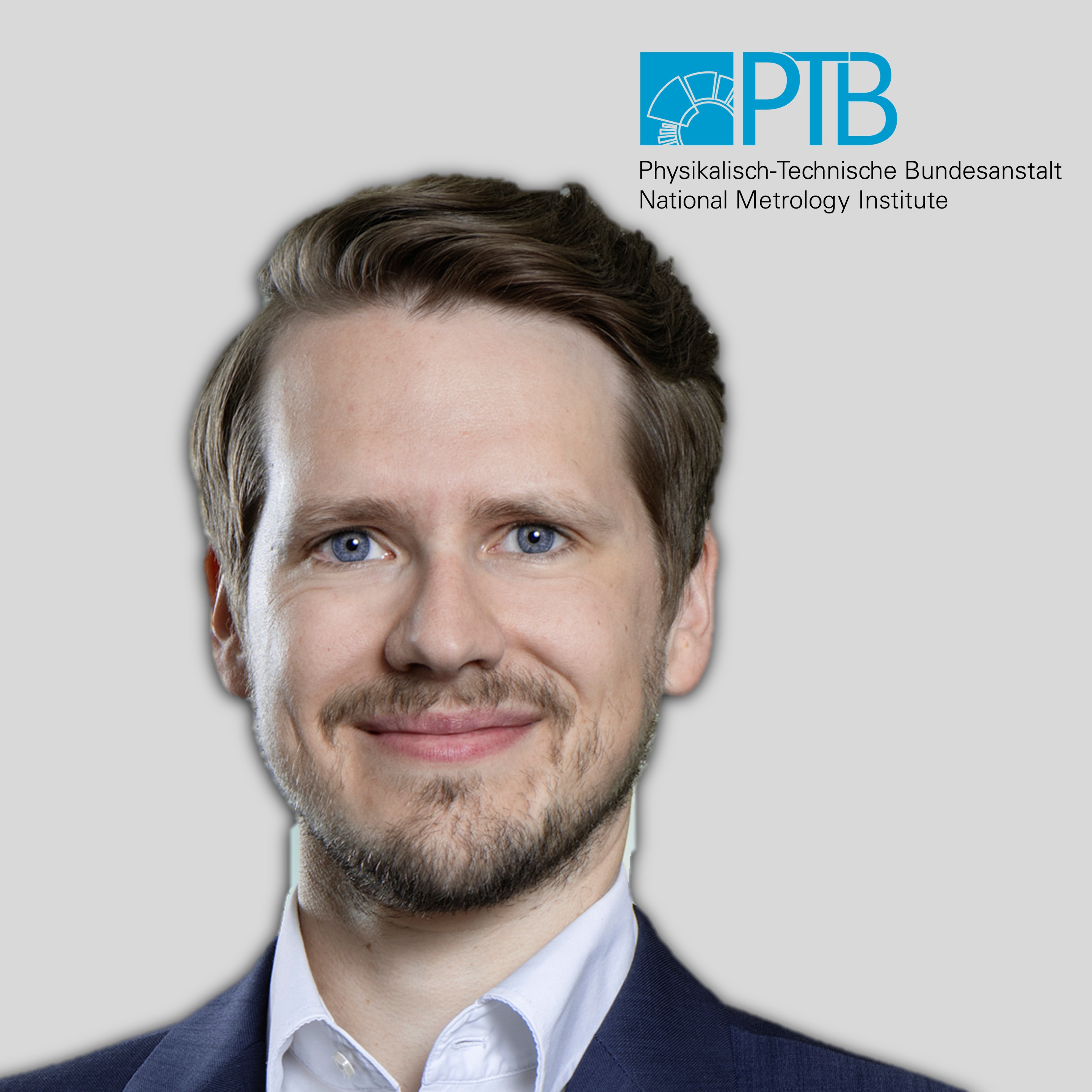
Trustworthy AI in Medicine – Data Quality as a Metrological Challenge
DANIEL SCHWABE, PhD
Coordinator for Digital Medicine, Division 8: Medical Physics and Metrological Information Technology, Physikalisch-Technische Bundesanstalt (PTB), Germany
Background
Daniel Schwabe holds an MSc in Mathematics from Humboldt University in Berlin and earned his PhD in Theoretical Biophysics at the Max Delbrück Center for Molecular Medicine. Since September 2021, he has served as the Coordinator for Digital Medicine at the Physikalisch-Technische Bundesanstalt (PTB). He is involved in the TEF-Health project, a major EU-funded initiative with a budget of €60 million aimed at testing and validating AI solutions in healthcare. Daniel’s research focuses on quantitative quality assurance of AI in medicine, with a particular interest in the quality of data used in machine learning applications. To this end, his team published the METRIC-framework for systematically assessing the quality of machine learning data and the Metric Hub providing a collection of metrics.
ABSTRACT OF PLENARY LECTURE
Artificial intelligence has become one of the defining technologies of our time, reshaping nearly every domain. In medicine its promise is especially profound, but so are the stakes, because the consequences fall directly on people’s health. Much of an AI’s trustworthiness is decided by the data: a model can only ever be as good as what it was trained and tested on. Yet medical data quality is still judged largely by intuition rather than rigorous, quantitative measurement. This talk reframes data quality as a measurement problem and therefore a natural task for metrology. It shows how quality can be broken into well-defined dimensions and how it can be measured. This makes quantitative testing of data a practical part of quality assurance of medical AI.